


Zinc doesn’t get nearly as much attention as minerals like iron or magnesium, but it quietly supports hundreds of vital functions every day. Like all trace minerals, zinc is needed only in small amounts, yet it is incredibly essential for functions like immunity, healing, mood balance, and skin health. And still, zinc deficiency is surprisingly common, especially in women. The signs can be subtle at first. Maybe you’ll notice signs like slower healing, frequent colds, low mood, or even white spots on the nails. Because they are so subtle, these signs can be easy to miss. In this guide, we’ll explore more about zinc, why it matters more than you might realize, the most common signs of zinc deficiency, and simple ways to support healthy levels with awareness, food, and (when needed) extra help.
What Is Zinc & Why Does It Matter?
Zinc is a trace mineral (the second most abundant trace mineral after iron), which means your body only needs small amounts. But those small amounts are absolutely vital. Zinc is involved in over 300 enzyme reactions and plays a key role in important functions ranging from immune defense and wound healing to hormone regulation, brain function, digestion, and skin repair.

Pure Insight: If you’re unsure of what enzymes are, here are the basics. Enzymes are usually proteins (with the exception RNA ribozymes) that act as initiators or accelerators for metabolic chemical reactions in your body. Think of enzymes as match sparks: tiny but powerful starters that set vital processes in motion. Without them, many of your body’s most important functions would happen far too slowly to keep you alive and well. Zinc plays a role in over 300 of these enzymatic reactions, which is why it is so vital for daily health.
Because zinc doesn’t get stored in the body, it needs to be replenished regularly through your diet. And since things like chronic stress, gut imbalances, or even common medications can affect how well your body absorbs it, zinc levels can dip without you realizing, especially during periods of physical or emotional stress (Enzymes, 2021; Gammoh & Rink, 2017; Tuerk & Fazel, 2009).
Pure Insight: Zinc is involved in many important functions from immunity to skin repair, but your body can’t store it. That’s why you need a steady supply to keep things running smoothly.
Signs of Zinc Deficiency
Zinc deficiency can be easy to miss. Its symptoms are often subtle—small shifts in how your body feels, heals, or responds to stress. That’s why many people overlook them in the beginning. But over time, these quiet signals can start to stack up. Everyone’s experience is different, of course, but here are some of the most common signs to watch for.
Physical Signs
- Slow wound healing
- Frequent colds or infections
- Thinning hair or increased hair shedding
- Skin changes like acne, rashes, or eczema
- Tiny white spots on the nails, ridges, or brittle nail texture
- Loss or blunting of taste or smell
Mood, Energy & Cognitive Signs
- Low mood
- Increased irritability
- Difficulty focusing or “brain fog”
- Feeling depleted or chronically tired, even after rest
Digestive & Appetite Changes
- Poor appetite
- Nausea or digestive upset
- Reduced ability to taste food (or finding food tastes more bland than usual)
Hormonal & Reproductive Health
- More intense PMS
- Irregular cycles
- Reduced libido
- Fertility challenges
- Slow post-birth recovery
Zinc plays a supporting role in so many systems that these signs can sometimes be mistaken for something else or (like other deficiencies) be brushed off as just a side effect of stress or a busy season. If several of these resonate with you, it might be time to explore whether low zinc could be part of the picture.
Zinc Deficiency in Women: Why It’s Often Missed
While zinc deficiency can affect anyone, it’s especially common in women. And for women, it often goes under-recognized. That’s partly because many of its symptoms overlap with things women are often told to simply “deal with”: hormonal shifts, fatigue, hair shedding, mood swings, or irregular cycles. It’s easy to assume these changes are just part of stress or life seasons, without realizing they may also be signs that your body needs more support.
Certain life stages and stressors can increase the risk of zinc depletion, including:
- Menstruation: Ongoing blood loss can gradually reduce zinc stores
- Pregnancy: Zinc needs rise dramatically to support fetal development
- Postpartum and breastfeeding: These stages can deeply deplete zinc while your body is still healing and giving so much
- Chronic stress: This can interfere with important zinc processes such as absorption and retention
- Gut issues or restrictive eating: May impair intake or digestion of zinc
Zinc also plays a quiet but crucial role in hormone balance, thyroid health, and egg quality. Yet these connections are rarely part of everyday wellness conversations. That’s why tuning into symptoms like worsened PMS, more intense postpartum depletion, or skin and cycle changes can be a meaningful place to start.
What Causes Zinc Deficiency?
Zinc deficiency doesn’t always come down to one clear cause. It’s usually the result of a combination of factors, many of which are easy to dismiss. You might be eating plenty of nutritious foods and still come up short, especially if your body isn’t absorbing or retaining zinc effectively. Understanding these root causes can help you support your levels in a more personalized, sustainable way.
Here are some of the most common contributors of zinc deficiency.
1. Low Intake of Zinc-Rich Foods
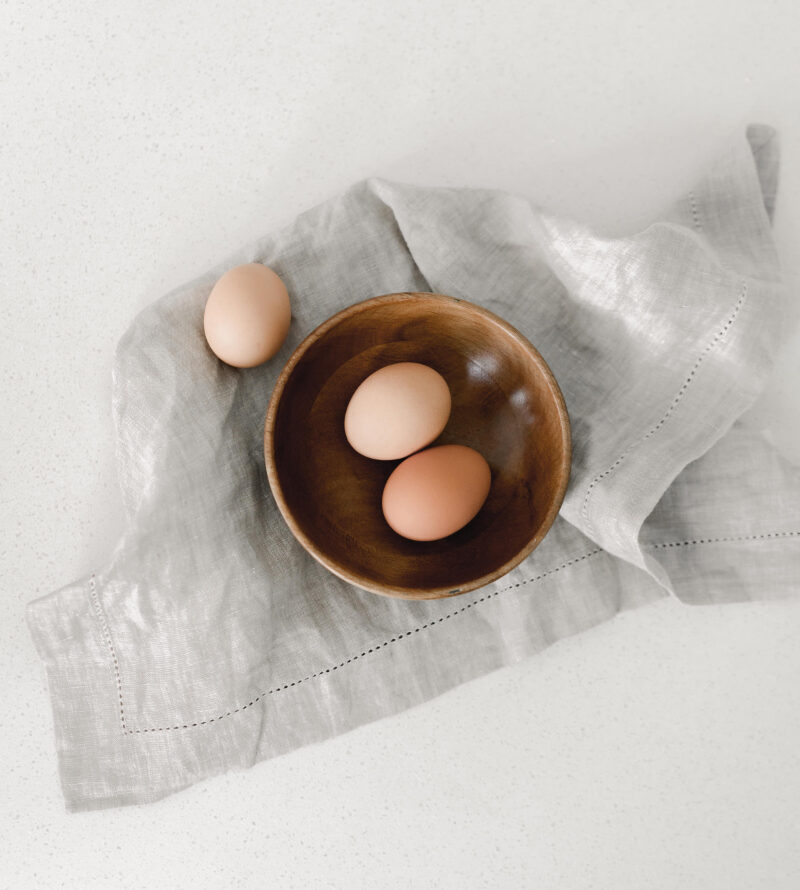
Zinc is found in a range of foods, but if your diet leans heavily toward plant-based, low-protein, or ultra-processed options, you might not be getting enough. While many plant foods are wonderfully nourishing, they tend to offer less bioavailable zinc compared to animal sources like oysters, beef, or eggs.
2. Poor Absorption in the Gut
Even if you’re eating well, your body might not be absorbing zinc effectively. Gut imbalances like low stomach acid, leaky gut, IBS, or long-term inflammation can interfere with zinc uptake. And because stress directly impacts digestion, emotional or mental strain can quietly make the issue worse.
3. Higher Zinc Needs (Life Stages & Stress)

At certain points in life, your body demands more zinc than usual. This includes stages such as pregnancy, postpartum recovery, breastfeeding, periods of intense physical training, or chronic illness. If you’re in a phase of giving a lot (to others, to your work, to healing), your zinc needs may be higher than you think (Donangelo & King, 2012).
4. Zinc Blockers in Your Diet
Whole grains, legumes, nuts, and seeds contain compounds called phytates that can bind to zinc and make it harder for your body to absorb. These are still nourishing, fiber-rich foods—but how you prepare them matters. Simple techniques like soaking, sprouting, fermenting, or cooking these foods can significantly reduce phytate content and help unlock more of the minerals they contain.
5. Nutrient Imbalances (Copper or Iron)
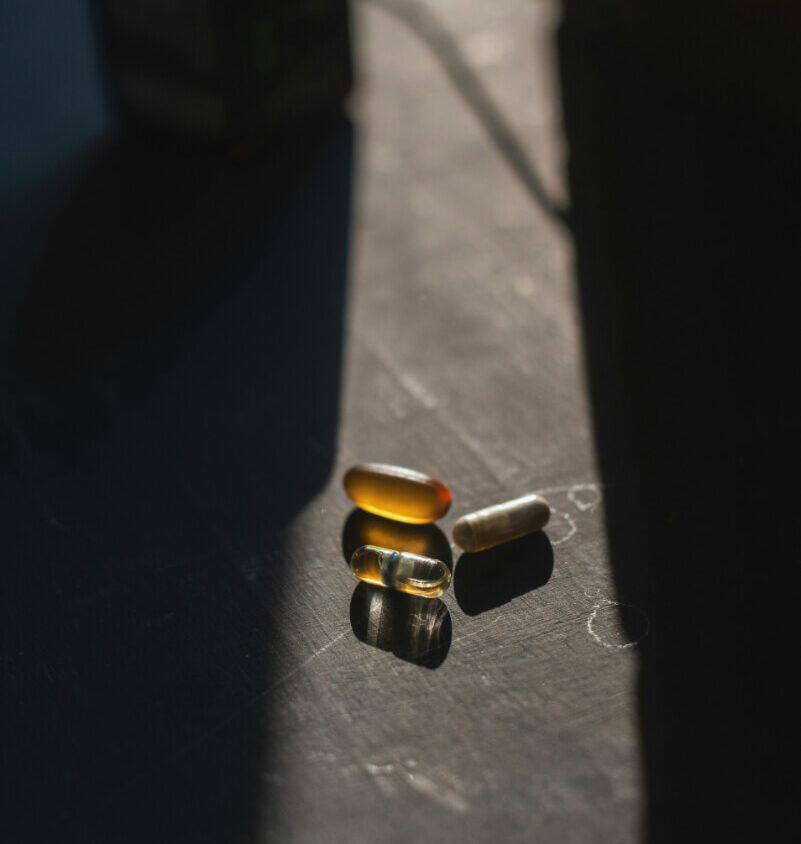
Zinc competes with other minerals (especially copper and iron) for absorption. Taking high doses of one can interfere with the balance of the others, which is why long-term supplementation and use of multi-vitamins without guidance can sometimes do more harm than good. This is also why it’s important to work with a knowledgeable health practitioner when it comes to zinc testing. A simple blood panel can help you understand whether you’re truly deficient and whether any other nutrients might be affecting your zinc status behind the scenes.
6. Medications and Chronic Conditions
Certain medications—like antacids, diuretics, hormonal birth control, or blood pressure meds—can reduce zinc levels over time. The same goes for chronic conditions such as diabetes, celiac disease, or chronic inflammation. These can deplete or interfere with zinc in ways that aren’t always obvious at first.
3 Key Ways to Replenish Zinc
If you suspect you’re low in zinc, the good news is that you don’t need to overhaul your life to start feeling better. There are several ways to begin replenishing your levels, most of which can be tailored to your unique body, preferences, and needs.
1. Support through Food
Zinc is found in a variety of everyday foods, including animal products, legumes, nuts, seeds, and whole grains. If you’re curious about which foods are best for boosting zinc levels (and how to prepare them for better absorption), you’ll want to read this article about zinc-rich foods.
2. Be Mindful of Absorption
Eating zinc-rich foods is only half the story. The way your body absorbs and uses zinc matters just as much. Here are a few simple tips that can help improve zinc availability from meals:
- Pair zinc-containing foods with protein and vitamin C for enhanced absorption.
- If you regularly eat legumes or grains, try soaking, sprouting, or fermenting them to reduce phytates that block zinc.
- Limit excess caffeine or alcohol intake, which can interfere with zinc metabolism.
3. Consider Supplementation (But Only If Appropriate)
Zinc supplements can be helpful in certain cases, particularly if you’ve had bloodwork done or are working with a practitioner. Some of the most bioavailable forms of zinc include:
- Zinc gluconate
- Zinc picolinate
- Zinc citrate
Start with a low dose unless advised otherwise, and be cautious about long-term use. Supplementing with zinc over time may also reduce copper levels. So although copper deficiency is typically rare, some people benefit from a balanced supplement that includes both minerals. Always consult your healthcare provider before starting any new supplement routine.
Pure Tip: If you’re supplementing with zinc, take it with food, but not with calcium or iron at the same time, since they compete for absorption.
When to Seek Professional Support
Most cases of mild zinc deficiency can be improved with small changes at home, such as mindful food choices, absorption support, or low-dose supplements. But there are times when getting professional guidance is the most supportive next step.
You may want to check in with a knowledgeable healthcare provider if:
- Your symptoms are persistent or severe
- You’ve experienced frequent or unexplained infections
- You’re struggling with ongoing fatigue, mood shifts, or brain fog
- You’re navigating fertility challenges, irregular cycles, or postpartum depletion
- You suspect absorption issues (like celiac disease, IBS, or chronic gut imbalances)
- You’re considering longer-term supplementation and want clarity on dosage
A practitioner can order simple blood tests to confirm whether zinc deficiency is contributing to how you feel. Even more importantly, they can help you uncover whether other factors (like copper, iron, or gut health) are also part of the bigger picture.
Pure Perspective: Think of seeking support as a way of gathering more information—not a sign that something is wrong. The more you know about your body, the more empowered you are to care for it with confidence.
Closing Thoughts on the Signs of Zinc Deficiency
Zinc may not be the nutrient that gets the most attention, but its impact is profound. Because the signs of zinc deficiency are often subtle, it’s easy to overlook them or blame stress, aging, or “just how life feels right now.” By tuning into your body’s quiet signals and taking simple steps to replenish, you’re giving yourself a chance to feel more resilient, energized, and balanced.
Remember, it doesn’t have to be complicated. Adding one zinc-rich food to your weekly meals, soaking your grains, or having a conversation with a trusted practitioner are all small steps that make a real difference.
And most importantly: thank yourself for taking this first step. Giving your attention to the signs your body is showing (whether it’s a result of zinc deficiency or something else) is an act of care—and one that brings you closer to feeling nourished, balanced, and well again.
Explore More Healthy Living Topics at Present & Pure
Curious about how other nutrients affect your energy, mood, and overall well-being? You might enjoy these related guides:
Iron Deficiency Symptoms: A Beginner’s Guide to Feeling Better
Food High in Iron: Easy Ways to Get More Iron-Rich Foods
What Is A2A2 Milk & Could It Be the Simple Answer to Dairy Woes?
Or browse the full Healthy Living collection for more simple, supportive steps toward nourishment and balance.
References & Scientific Studies
Donangelo, C. M., & King, J. C. (2012). Maternal Zinc Intakes and Homeostatic Adjustments during Pregnancy and Lactation. Nutrients, 4(7), 782–798. https://doi.org/10.3390/nu4070782
Enzymes. (2021, May 12). Cleveland Clinic. Retrieved August 20, 2025, from https://my.clevelandclinic.org/health/articles/21532-enzymes
Gammoh, N., & Rink, L. (2017). Zinc in infection and inflammation. Nutrients, 9(6), 624. https://doi.org/10.3390/nu9060624
Tuerk, M. J., & Fazel, N. (2009). Zinc deficiency. Current Opinion in Gastroenterology, 25(2), 136–143. https://doi.org/10.1097/mog.0b013e328321b395

0 Comments